🕳️ Tooth decay (a cavity)
Decay eats through the enamel. Small cavities often don’t hurt; pain starts once decay gets close to the nerve, usually with sweet or cold.
Usual fix: a tooth-coloured filling. Tooth decay guide
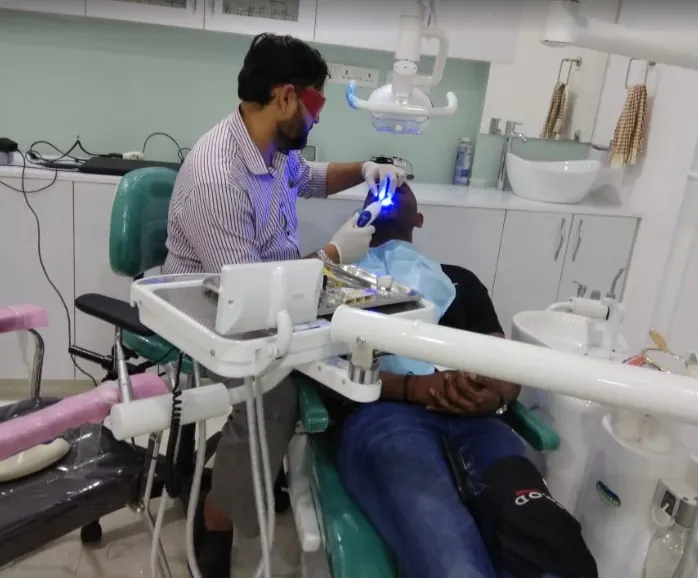
A tooth that throbs at night, twinges with cold water, or hurts when you bite is telling you something. Most toothaches have a clear cause, and the sooner it’s found, the simpler the treatment. Dr. Farooq has been relieving tooth pain on Hutchins Road, Frazer Town, for 26 years.
Pick the one that sounds most like you. It isn’t a diagnosis, but the type of pain is the best clue to what’s happening inside the tooth.
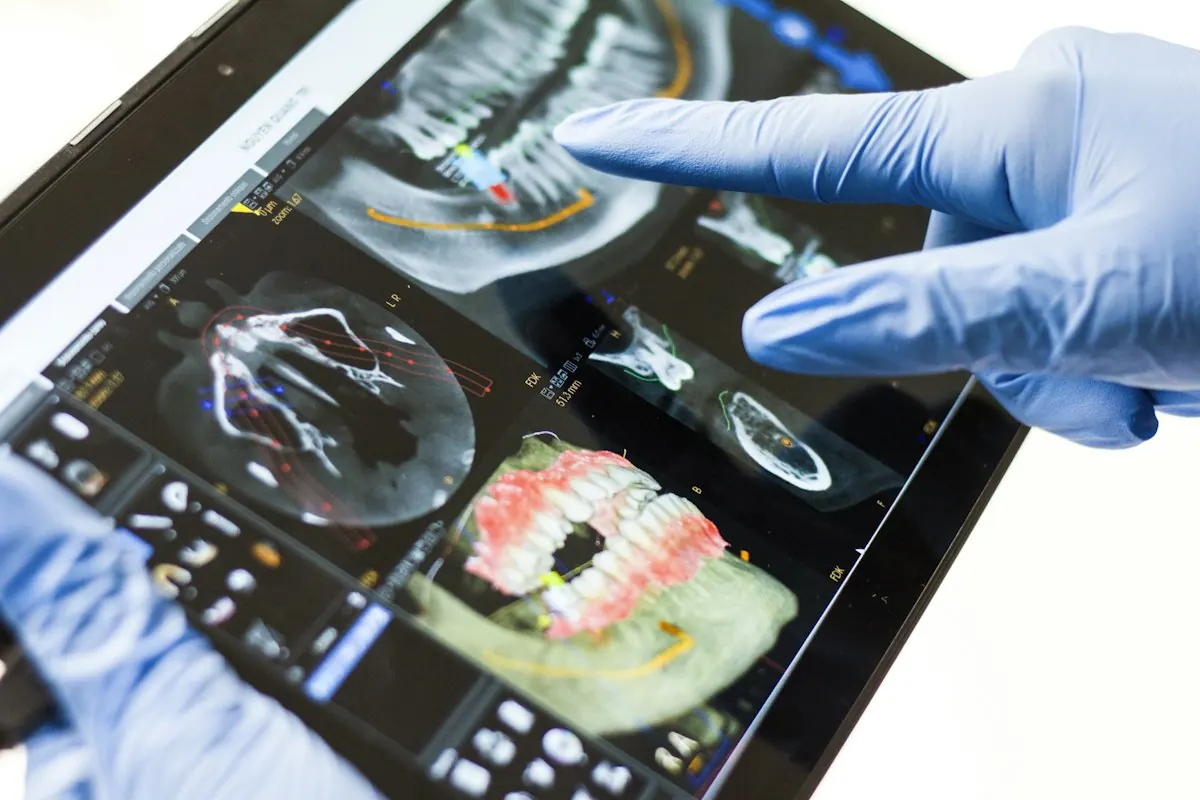
Under the hard enamel and dentine of every tooth is the pulp: soft tissue with the tooth’s nerve and blood supply. When decay, a crack or worn enamel lets heat, cold or bacteria reach it, the nerve reacts. Short twinges usually mean the nerve is irritated but healthy. Pain that lingers, throbs or wakes you at night usually means it’s inflamed or infected, and needs treatment rather than waiting.
“I was very scared… The treatment was painless and felt completely effortless.”
“He explained the procedure clearly and treated me with great care.”
“Wonderful and painless treatment… for my daughter's root canal.”
Short excerpts from public Google reviews, without names. Read all reviews on Google.
Toothache isn’t one problem. These are the causes we find most often in the clinic.
Decay eats through the enamel. Small cavities often don’t hurt; pain starts once decay gets close to the nerve, usually with sweet or cold.
Usual fix: a tooth-coloured filling. Tooth decay guide
Deep decay or a crack lets bacteria reach the pulp. Pain lingers, throbs, wakes you at night, and painkillers stop working well.
Usual fix: root canal treatment, then a crown. Root canal guide
An infection at the root tip or in the gum. Throbbing pain, swelling, a pimple on the gum, a bad taste, sometimes fever.
Usual fix: draining the infection and root canal treatment, or removing the tooth.
A sharp pain when you bite down or release, often on a back tooth with a large old filling. Cracks can be invisible.
Usual fix: bonding, a crown, or root canal treatment if the crack is deep. Broken tooth guide
Worn enamel or receding gums expose the dentine. A quick sharp twinge with cold water, ice cream or air that goes away in seconds.
Usual fix: desensitising treatment, sealing exposed roots, and changing how you brush.
Tartar and gum disease cause a dull ache, bleeding and swollen gums, and eventually loose teeth.
Usual fix: professional cleaning or deep cleaning. Bleeding gums guide
A wisdom tooth coming through at an angle traps food under the gum. Pain at the very back, swelling, and difficulty opening.
Usual fix: cleaning and medicines for a flare-up, or removal. Wisdom tooth guide
Mild sensitivity for a few days is normal. Pain when biting often means the filling is slightly high, which is a two-minute fix.
Usual fix: adjusting the bite, or checking the tooth again if pain lasts.
A blocked sinus can make several upper teeth ache. Grinding and jaw-joint strain can feel like toothache too.
Usual fix: treating the real cause. Jaw pain guide
These steps can ease the pain for a few hours. They don’t fix the cause, so book a check even if the pain settles.
You’ll know what’s wrong, what your options are and what each involves before anything is done.
WhatsApp or call. Where it hurts, what sets it off and how long it lasts help us judge how soon you should come in.
Pain can spread to neighbouring teeth or the other jaw. We test the teeth and show you the problem on the intraoral camera.
An RVG X-ray shows decay between teeth, infection at the root and how close it is to the nerve.
Where possible we start relieving the pain at the first visit, for example by cleaning out the decay or opening an infected tooth to release pressure.
A filling, root canal treatment, gum treatment, wisdom tooth removal or a night guard, whichever the cause needs.
A crown on a weakened tooth, a cleaning, and a check-up plan so it doesn’t happen again.
Tooth pain is easy to misjudge: the tooth that hurts isn’t always the one that’s damaged. In 26 years of practice on Hutchins Road, Dr. Farooq (BDS, FAGE, with a professional diploma in endodontics, the study of root canals) has learned to find the real source and treat it gently.
You get direct access to Dr. Farooq, a clear explanation of what’s wrong, and a written plan before treatment. 37 of the clinic’s Google reviews mention root canal treatment.
More about Dr. FarooqWhatsApp us what’s bothering you (a photo or old X-ray helps), or call 099455 39225. Calls are answered 9 am–9 pm, every day.
We’ll offer a slot that suits you (Mon–Sat, 10 am–2 pm or 5 pm–8:30 pm) and tell you if anything is needed beforehand.
Ground Floor, 42 Hutchins Road, Frazer Town / Cooke Town. Bring old X-rays or reports and a list of any medicines you take.
Lying down sends more blood to the head, which raises the pressure inside an inflamed tooth, and there’s less to distract you. Throbbing pain that wakes you usually means the nerve is inflamed or infected. Book a check within a day or two rather than waiting for it to pass.
Yes. Pain that comes and goes is often an early cavity, a crack or a nerve that’s starting to get inflamed. Caught early, these usually need a filling or bonding. Left alone, the same tooth can need a root canal or extraction later.
Painkillers dull pain but can’t reach the cause, such as an infected nerve or an abscess under pressure. When painkillers stop working, the tooth needs treatment soon. Don’t take more than the dose on the pack; call us instead.
No. Antibiotics can help control a spreading infection, but the source (decay or a dead nerve inside the tooth) stays, so the pain comes back. They should only be taken when a dentist or doctor prescribes them, alongside treating the tooth.
Mild sensitivity to cold for a few days after a deep filling is common and fades. Pain when you bite usually means the filling is slightly high, which takes minutes to adjust. Pain that lingers, throbs or gets worse needs another look.
Tenderness when biting for a few days is normal while the tissues around the root settle. If pain is severe, there’s swelling, or it starts again months later, the tooth should be checked: a crack or a missed infection can be the cause.
Yes. Tooth pain and infection should be treated during pregnancy, because an untreated infection is the bigger risk. Routine work is often planned for the middle three months. Tell us you’re pregnant and which month, and we’ll plan treatment, X-rays and any medicines safely.
Bring them in soon. Milk teeth decay quickly, and an infected milk tooth can affect the adult tooth growing beneath it. Many of our patients started with us as children.
Yes. Pain from back teeth often spreads to the temple, ear or jaw, and a jaw-joint problem can feel like toothache. We check the teeth and the jaw. See our jaw pain guide.
Only if the nerve is badly inflamed or infected. Many toothaches are fixed with a filling, bonding or gum care. After examining the tooth and an X-ray we’ll explain which you need and why. See our root canal guide.
It depends on the cause: a filling and a root canal are very different. We don’t publish price lists. You’ll get a written quote before treatment, and the consultation is free if you go ahead with treatment.
Ground Floor, 42 Hutchins Road, Frazer Town / Cooke Town. Mon–Sat, 10 am–2 pm and 5 pm–8:30 pm. Calls answered 9 am–9 pm.